Customers still value local retailers. An IPX report found that 57% of American shoppers are willing to pay more to support local businesses. However, customers also want the convenience of online shopping, with global ecommerce sales forecast to grow from $6.42 trillion in 2025 to $7.89 trillion by 2028. Local ecommerce offers the best of both worlds: You can cast your net wider to reach new customers online while nurturing your regional base.
Here’s how to launch your local ecommerce business with best practices for delivering an excellent online shopping experience tailored to your area.
What is local ecommerce?
Local ecommerce is the practice of selling products or services online while targeting customers within a defined local market or geographic area. Business owners engage in local ecommerce when they process orders through an online store and fulfill those orders through in-person pickup or quick local delivery within a specific radius. This means they can run a local business without a physical storefront. Similarly, brick-and-mortar retailers with a physical store can use local ecommerce to expand their local reach and increase customer convenience through online sales.
Local ecommerce taps into customers’ preference for supporting local businesses. In fact, one 2025 survey found that nearly eight in 10 Canadian shoppers agreed that supporting local businesses felt more important than it did the year before. In the same survey, over half said they were prepared to spend an extra $5 to buy a product locally.
Real-world example of local ecommerce
Jeremiah Curvers is the cofounder and CEO of the Montreal-based mattress brand Polysleep. He’s leaned into this customer preference for local products by investing heavily in local marketing strategies. The brand has a multilingual ecommerce site that serves French-speaking customers in Quebec, and it manufactures mattresses locally using raw materials sourced from local suppliers.
“[Quebec shoppers] want to have local businesses succeed because many other businesses will just not consider doing business in French, so that already is a higher barrier of entry for many American or larger Canadian businesses,” Jeremiah says on an episode of Shopify Masters. According to Jeremiah, these local ecommerce strategies resulted in Polysleep earning 70% of its sales from local customers in Quebec.
How to start a local ecommerce business
- Identify your market
- Research your market
- Launch your ecommerce store
- Market to local customers online
- Establish a local order fulfillment system
- Invest in high-quality customer service for locals
From identifying the local radius to investing in good customer service, here are six steps to help you start your own local ecommerce business:
1. Identify your market
Start by choosing the scope of the local area where you plan to focus your sales efforts. This could be as small as a borough or town, or as large as an entire province (as in the case of Polysleep in Quebec). Consider factors like your operational capacity, delivery costs, and customer density, meaning how many potential customers live within the radius you’re choosing.
If you run an ecommerce business without a physical storefront, you may want to choose a delivery area around your order fulfillment warehouse or where you store inventory. Set a clear delivery radius based on where you pick, pack, and ship inventory to avoid wasting time and money on long, inefficient deliveries.
If you currently operate a brick-and-mortar retail location in a particular market, choose a local delivery radius around that area to create cross-selling opportunities. This can turn in-store shoppers into repeat online customers, or vice versa, offering a variety of options to enhance customer experience.
2. Research your market
Once you’ve identified the scope of your local market, conduct market research on that market using surveys, focus groups, interviews, and industry reports. Identify who your target audience is within your chosen district, city, or region; this is the specific group of people most likely to purchase your products or services. Create a buyer persona that describes the ideal customer in your local market. Identify their age, education level, language, and interests to help frame your brand messaging.
Perform a competitive analysis on other businesses selling similar offerings in your area by analyzing their price points, target customers, sales pitch, and shipping policy. By understanding the competition, you can recognize your own company’s unique value proposition (UVP) to stand out in your local market.
3. Launch your ecommerce store
Choose a reliable ecommerce platform to host your online store for local sales. Robust ecommerce platforms offer the software tools you need to build and run your online storefront, facilitating tasks like inventory management, payment processing, and marketing.
For example, Shopify offers a range of tools and products for local ecommerce businesses. Through the platform, you can get a point-of-sale (POS) system for managing both online and offline sales, shipping tools for setting a specific delivery radius, and pricing localization through Shopify Markets. This establishes distinct product prices for local customers. Using Shopify’s website builder tool, an ecommerce business can add an interactive map featuring their physical store location or local delivery radius by pasting a Google Maps API key into the Maps section of the tool.
4. Market to local customers online
Next, invest in marketing strategies designed to drive traffic to your local ecommerce store. Consider investing in:
-
Geo-targeted landing pages. These are landing pages on your ecommerce site that are optimized for visitors from a particular city or region. Include location-specific content like local addresses, local promotions, maps, and reviews from customers in that area.
-
Local keyword research. Use location-specific keywords to improve your local search engine optimization (SEO) efforts and increase the ranking of your website for local search queries online.
-
PPC advertising. Local pay-per-click (PPC) advertising campaigns use geo-targeting to find users in your local area, and you bid on place-specific keywords. For example, if you’re selling bikes online to a local market in Denver, you could bid on keywords like “new bicycle Denver” or “best bike shop in Denver” to keep your PPC efforts focused on the right potential customer base.
-
Local referral programs. An affiliate program is a reward-based system in which content creators, influencers, and other partners promote your products in exchange for a commission on the sales they generate. Partner with an influencer who lives in your area and give them a unique affiliate link they can share with their audience online. This can help drive local customers to your ecommerce site or physical store.
For example, Jeremiah opted for an affiliate marketing strategy with Polysleep, using an application called Friendbuy to incentivize referrals by offering gift cards to customers who make converting referrals to their friends, family, colleagues, and community. “Whenever someone purchases from us, they’re going to have the opportunity to monetize their referral,” Jeremiah says. “If they refer a friend, they’re going to get a $25 to $50 gift card. Some people are just becoming so good at it that we push these people toward our affiliate program. And when they become an affiliate, it becomes a percentage of the many sales that are going to be generated.”
5. Establish a local order fulfillment system
One of the advantages of local ecommerce is the opportunity to focus your order fulfillment efforts on quick deliveries to a specific market, offering next-day or same-day delivery service options with lower shipping costs than remote delivery addresses. Decide whether you’re going to offer in-store pickup, curbside pickup, or delivery. Then decide the radius for each.
For example, you could designate an in-store pickup station inside your existing retail location while offering delivery to customers with a home or office address within a four-mile radius around where you store inventory.
Automate your order fulfillment so you can keep track of your inventory and deliveries. Shopify Shipping makes it easy for Shopify businesses to set up local order fulfillment by offering in-store pickup as an option for customers at checkout and defining the delivery zone using ZIP codes or a mile-specific radius for local deliveries.
Using Shopify’s local delivery app, you can set localized delivery rates for specific zones, add custom messages to explain your local delivery process to customers, and choose optimized local delivery routes that determine the most efficient path from your office or warehouse to a customer’s address.
6. Invest in high-quality customer service for locals
Since your business is focused on a specific number of potential customers in a local area, try retention strategies like encouraging customer accounts, offering a loyalty program, and resolving customer issues promptly. Good customer service boosts customer satisfaction and drives repeat purchases for your local ecommerce business.
Mention your local return policy during the checkout process. For example, your local return policy could allow customers to request a return with a full refund for unused items in their original packaging within 30 days of purchase. Include information about the returns process on your ecommerce site, including the different channels available, like in-store drop-off at your physical location or drop-off with a specific courier service using a shipping label that you send to the customer once their return is approved.
Make it easy for customers to contact your business post-purchase through a variety of communication channels, including email, phone, chatbots, and in person.
Tips for marketing a local ecommerce business
- Optimize your local SEO
- Cross-sell between online and in-person interactions
- Host events for local customers
Here are some best practices to drive traffic to your local ecommerce website:
Optimize your local SEO
Local SEO is the process of improving your website’s ranking on search engine results pages (SERPs) for local searches made by customers in your area. Popular strategies include creating a Google Business Profile, collecting backlinks from other local businesses, and optimizing your ecommerce website with local keywords.
Perform local keyword research to identify the specific words and phrases that potential customers search for. Implement those words into your website content, including your home page, product pages, and blog content.
For example, Jeremiah and Polysleep prioritize local SEO keywords to capture the attention of local prospects online. “It’s very easy to build a keyword list based on competitiveness,” Jeremiah says. To help customers find your business, use a combination of competitive short-tail keywords (brief, common terms with high search volumes) and less-competitive long-tail keywords that incorporate more specific and descriptive words or phrases. Jeremiah first focused on “product-related short-tail and long-tail keywords. We really want to own that. Meaning that if you look for a mattress store, we want to create pages that will outrank many of the small websites out there.”
Cross-sell between online and in-person interactions
If you sell products or services at a physical storefront, promote your online store to let in-store customers know they can enjoy the convenience of purchasing your offerings online as well. For example, you could print out posters, flyers, banners, or business cards with your website address or QR codes that send customers who scan them directly to your ecommerce site.
Likewise, you can highlight your physical location to customers when they search online for your company or shop by including name, address, and phone number (NAP) citations on your website as well as on social media accounts and online business directories. Adding NAP information on web pages like your home, About Us, and checkout pages can remind local customers that they can visit your storefront to browse your offerings in person, experience a more personalized sales process, and interact with you or your employees in a physical location.
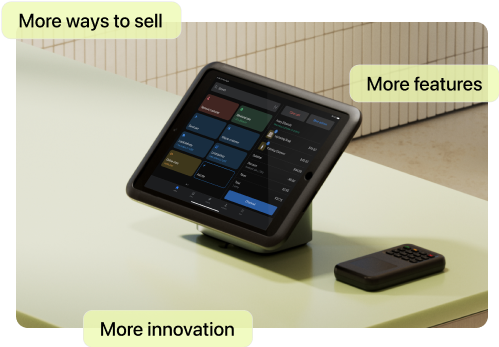
Connect your POS systems between your physical and online storefronts. For example, Shopify businesses can sync offline and online orders using Shopify POS. Using an integrated POS system like this lets you track real-time inventory levels across all of your sales channels, thus avoiding stockouts.
With an integrated POS, you can evaluate and compare real-time sales data, from both in-person and online sales, through one centralized platform. These systems can also track customer data so you can make informed product recommendations online for customers who’ve previously made purchases at your brick-and-mortar store, or vice versa.
Host events for local customers
Experiential marketing—also known as live marketing or event marketing—engages customers by inviting them to participate in memorable, immersive brand experiences. For example, a business could host a live event like a cycling race to promote their bike products or a pop-up shop to give local customers early access to their new clothing line. Other types of experiential marketing events include workshops, scavenger hunts, live performances, and contests like raffles. Local ecommerce businesses can use these types of events to increase brand awareness and foster long-term customer loyalty from customers who regularly attend their events.
Measure the success of your events by analyzing indicators like participant feedback, foot traffic, and social media engagement. Incentivize user-generated content (UGC) at your events by offering free samples, merch, or discounts to people who tag your brand in social media posts. Run a photo contest for participants at your event, and reward the winner with free products or a gift card for your business.
Local ecommerce FAQ
What is local ecommerce?
Local ecommerce is the practice of selling products or services online with a focus on earning sales from customers in a local market and fulfilling those orders through in-person pickup or local delivery options.
How do I get more local customers for my online store?
To improve your local ecommerce efforts, invest in building out your local SEO strategy. Target local keywords that include your location (for example, “best bike shop in Denver”). Host local events like pop-ups and activities related to your product (a bike-a-thon, for example) to improve brand awareness and build loyalty among local customers.
Which ecommerce platform is best for a local store?
Shopify’s advanced features allow you to sync your in-person and online sales and customer data, as well as offer local shipping options. You can oversee local order fulfillment through the platform, making it a robust solution for building out a local ecommerce business.